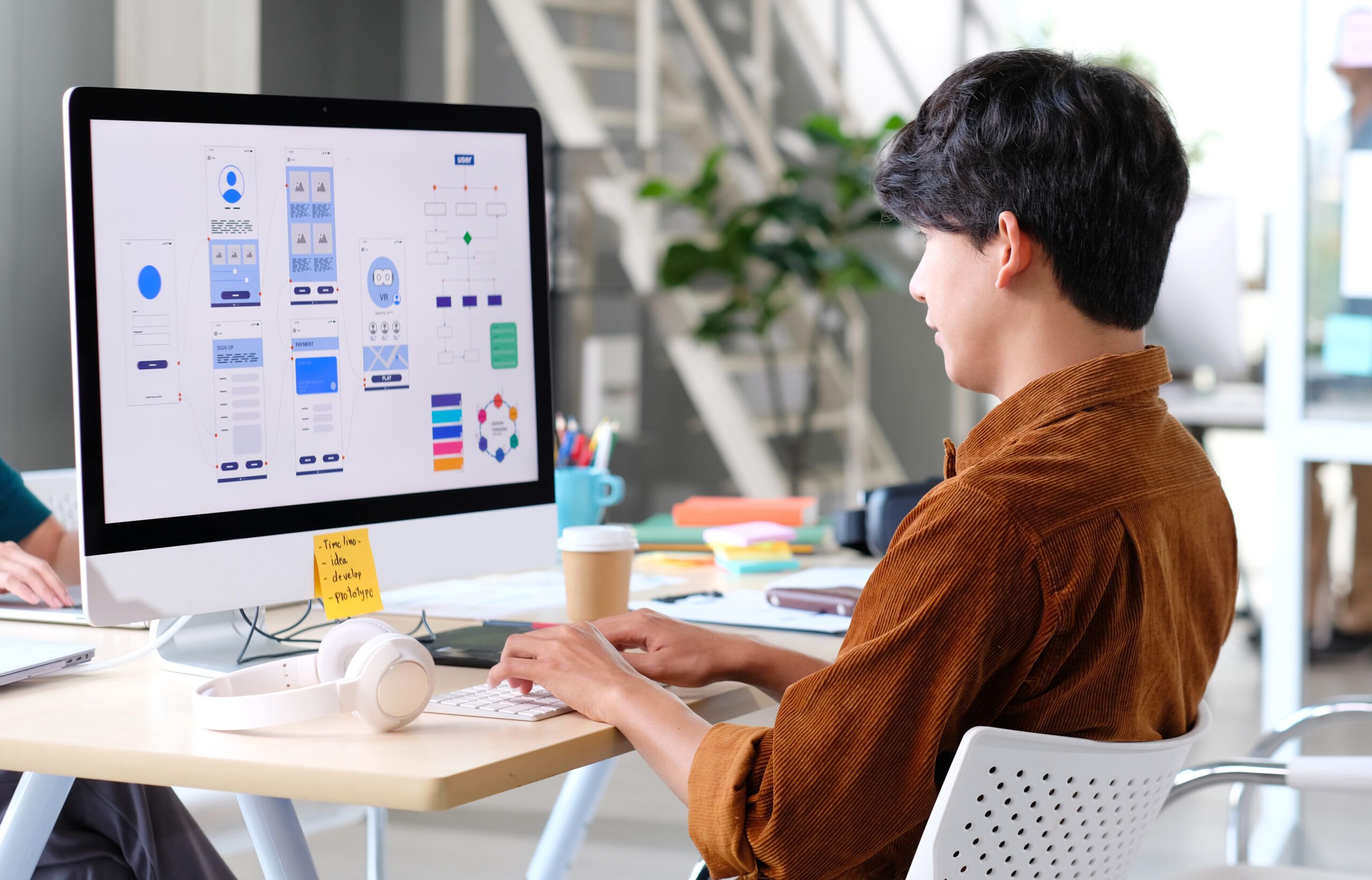
Stunning Visual & UI Design Services for Businesses
In today’s digital first environment, visual presentation and user interface design play a critical role in how businesses communicate, engage, and build trust with their audiences. A company’s visual identity and digital interfaces often form the first impression, influencing how users perceive credibility, usability, and overall brand value. For growing businesses, thoughtful visual and UI design is not just an aesthetic consideration but a strategic investment in clarity, usability, and long-term engagement.
Visual and UI design shape how users navigate websites, interact with digital platforms, and understand brand messaging. When design aligns with user needs and business goals, it creates experiences that feel intuitive, consistent, and purposeful. This article explores how structured visual and UI design services support business growth, enhance digital experiences, and strengthen brand presence across platforms.
Supporting Businesses Through Design at The Maple Marketers
The Maple Marketers provides visual and UI design services focused on clarity, usability, and alignment with business objectives. Working with businesses across industries, the approach emphasizes understanding user behavior, brand identity, and functional requirements before translating them into effective design solutions. The goal is to create digital experiences that support communication, engagement, and usability without unnecessary complexity.
Why Visual and UI Design Matter for Modern Businesses
Visual design influences how information is perceived, while UI design determines how users interact with that information. Together, they form the foundation of digital experiences across websites, applications, and digital platforms. Businesses that invest in structured design benefit from clearer messaging, improved navigation, and stronger user engagement.
As digital touchpoints increase, inconsistent or poorly structured design can create confusion and reduce trust. Users expect interfaces that are easy to navigate and visually coherent. When design decisions are intentional and user-focused, businesses are better positioned to meet expectations and support meaningful interactions.
Aligning Visual Design With Brand Identity
Visual design plays a central role in expressing brand identity. Color palettes, typography, layout, and imagery work together to communicate tone, values, and professionalism. Consistent visual language helps businesses establish recognition and reinforce credibility across digital and physical channels.
For growing businesses, maintaining visual consistency becomes more challenging as platforms and content expand. A structured visual system ensures that branding remains coherent across websites, marketing materials, and digital assets. This consistency supports brand trust and helps users quickly identify and connect with the business.
UI Design as a Tool for Usability and Engagement
UI design focuses on how users interact with digital products. Clear navigation, logical layouts, and intuitive controls help users complete tasks efficiently. When interfaces are thoughtfully designed, users spend less time figuring out how things work and more time engaging with content or services.
Effective UI design reduces friction. It anticipates user needs and removes unnecessary steps, creating smoother experiences. For businesses, this translates into improved engagement, better conversion rates, and reduced support inquiries related to usability issues.
Designing With User Experience in Mind
UI design is closely connected to user experience. Understanding user behavior, goals, and pain points informs design decisions that support ease of use. Businesses benefit when interfaces are designed based on how users actually interact with digital platforms rather than assumptions.
User-centered design helps ensure accessibility, clarity, and responsiveness across devices. As more users engage through mobile and varied screen sizes, adaptable UI design becomes essential for consistent experiences.
Visual Hierarchy and Information Clarity
Strong visual hierarchy helps users process information efficiently. Design elements such as spacing, contrast, and layout guide attention and make content easier to understand. Businesses that prioritize visual clarity help users find what they need without feeling overwhelmed.
Clear information structure supports communication goals, whether guiding users toward services, sharing educational content, or facilitating transactions. Thoughtful visual organization improves comprehension and supports decision making.
Responsive and Adaptive Design for Multiple Platforms
Businesses today must consider how design functions across devices and platforms. Responsive design ensures that interfaces adapt seamlessly to different screen sizes, maintaining usability and visual consistency. This adaptability is essential for meeting user expectations and supporting accessibility.
UI design that accounts for responsiveness helps businesses maintain professional presentation regardless of how users access their digital platforms. This consistency supports trust and usability across environments.
Design Systems for Growing Businesses
As organizations grow, design complexity increases. Design systems provide a structured framework that includes visual styles, UI components, and usage guidelines. These systems help ensure consistency and efficiency as new pages, features, or platforms are developed.
For businesses, design systems reduce duplication, streamline collaboration, and support scalability. They allow teams to maintain coherence while adapting to evolving needs.
Supporting Marketing and Communication Through Design
Visual and UI design directly support marketing and communication efforts. Clear layouts, engaging visuals, and intuitive interfaces enhance content delivery and messaging. Design that aligns with marketing goals helps reinforce calls to action and guide user journeys.
When design and marketing work together, businesses experience stronger alignment between message and experience. This alignment supports brand credibility and audience engagement.
A Client Experience With The Maple Marketers
One business partnered with The Maple Marketers while refining its digital presence during a period of growth. By improving visual consistency and redesigning key user interfaces, the business achieved clearer navigation and stronger alignment with its brand identity. Users reported improved ease of use, and internal teams found it easier to maintain and expand digital content using the updated design framework.
Design as an Ongoing Process
Visual and UI design are not static. As businesses evolve, user needs and digital expectations change. Ongoing review and refinement help ensure that design continues to support usability, accessibility, and business objectives.
Regular updates based on user feedback and performance insights allow businesses to adapt without requiring complete redesigns. This approach supports sustainability and long-term value.
Balancing Creativity and Functionality
Effective design balances creativity with practicality. While visual appeal captures attention, functionality ensures usability. Businesses benefit most when design decisions support both brand expression and user needs.
UI design that prioritizes function ensures that creative elements do not interfere with clarity or accessibility. This balance creates experiences that feel polished and purposeful.
Conclusion
Visual and UI design are essential components of modern business strategy. Thoughtful design supports usability, strengthens brand identity, and improves digital experiences across platforms. For growing businesses, structured visual and UI design services provide the foundation needed to scale with consistency and clarity.
By focusing on user needs, visual coherence, and functional interfaces, businesses can create digital environments that support engagement, communication, and long term growth.
If your business is refining its digital presence or preparing for growth, The Maple Marketers offers visual and UI design services focused on clarity, usability, and alignment with your goals. Connect with The Maple Marketers to explore design solutions that support meaningful digital experiences.
Frequently Asked Questions
What is the difference between visual design and UI design?
Visual design focuses on the aesthetic elements such as color, typography, and layout, while UI design focuses on how users interact with digital interfaces.
Why is UI design important for business websites?
UI design improves usability, reduces friction, and helps users navigate digital platforms efficiently, supporting engagement and conversions.
Can visual and UI design impact brand perception?
Yes. Consistent and thoughtful design reinforces credibility, professionalism, and brand recognition.